The Song Itself
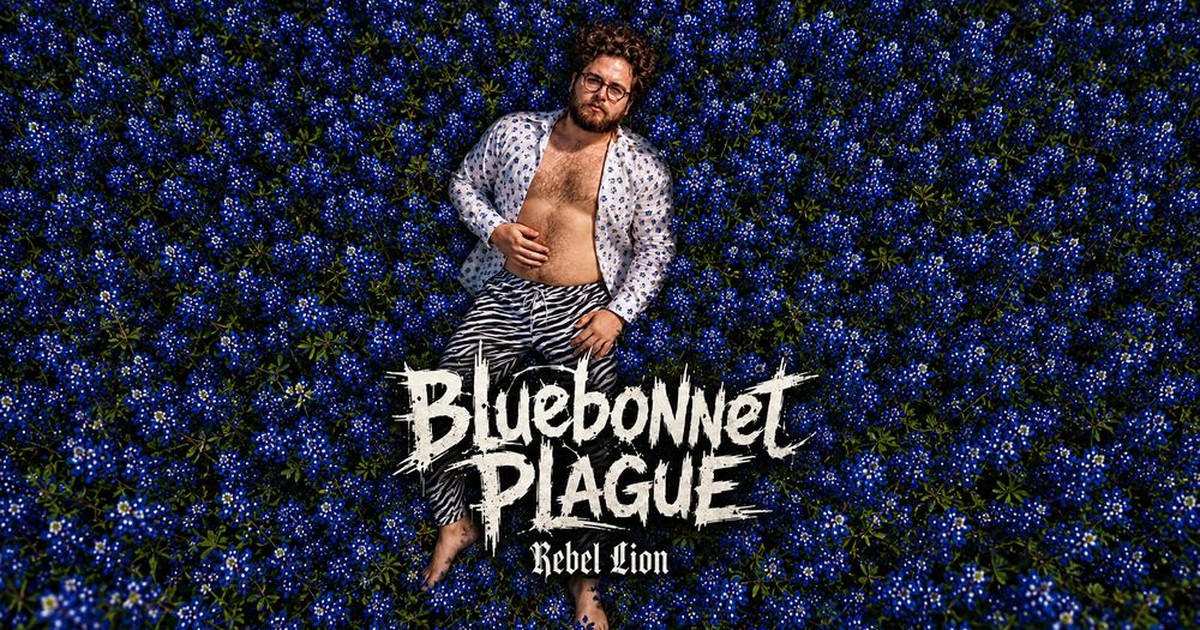
The album is named after a song, and the song is about overcoming abusive addiction.
Everything else — the flower, the artwork, the game about lawnmowers — grew out of that, and sometimes grew far enough from it that people do not connect the two. Which is fine. But that is the root.
Why a plague
Addiction spreads. That is its defining property. It does not stay in the part of your life where it started; it gets into the job, the money, the people, the hours, the version of you other people have to deal with.
And it arrives without being invited. Nobody plans it. It is in the ditch and the median and the crack in the road you drive every day and have never once looked at, and then one day it is everywhere at once.
That is the same sentence I use about the flower. It works for both. That is the entire joke and the entire point.
Why a bluebonnet
Because the same mechanism runs the other way.
A bluebonnet season is also something nobody planted, arriving without permission, taking over everything. The difference between a plague and a wildflower is not how it behaves. It is what it is.
Getting out of addiction does not mean becoming a person to whom nothing spreads. It means something else takes the ground. A coffee shop. A marriage. Twins. A record you work on for a decade. Those spread too, and they will also take over your whole life if you let them, and that turns out to be the good version.
What the song is not
It is not a recovery anthem. It does not resolve. I struggled again afterwards and I still drink, and a song that ended with me fixed would be a lie, which would make the one song that had to be true the least true thing on the record.
It is about the overcoming. Present tense, ongoing, unfinished.
And the name is a pun
It is Bubonic Plague with a flower in it, and it should be said with that inflection, which trips people up constantly.
A record about addiction named with a pun is, I think, the most honest thing about it. That is genuinely how people who have been through this talk. The joke is not a way around the subject. It is how you survive carrying it.